

Material & care · 2 min
316L stainless steel and sensitive skin: what to know
Is 316L stainless steel suitable for sensitive skin? What nickel content, nickel release and individual tolerance actually mean.
ORVAIN Editorial ·
Contents
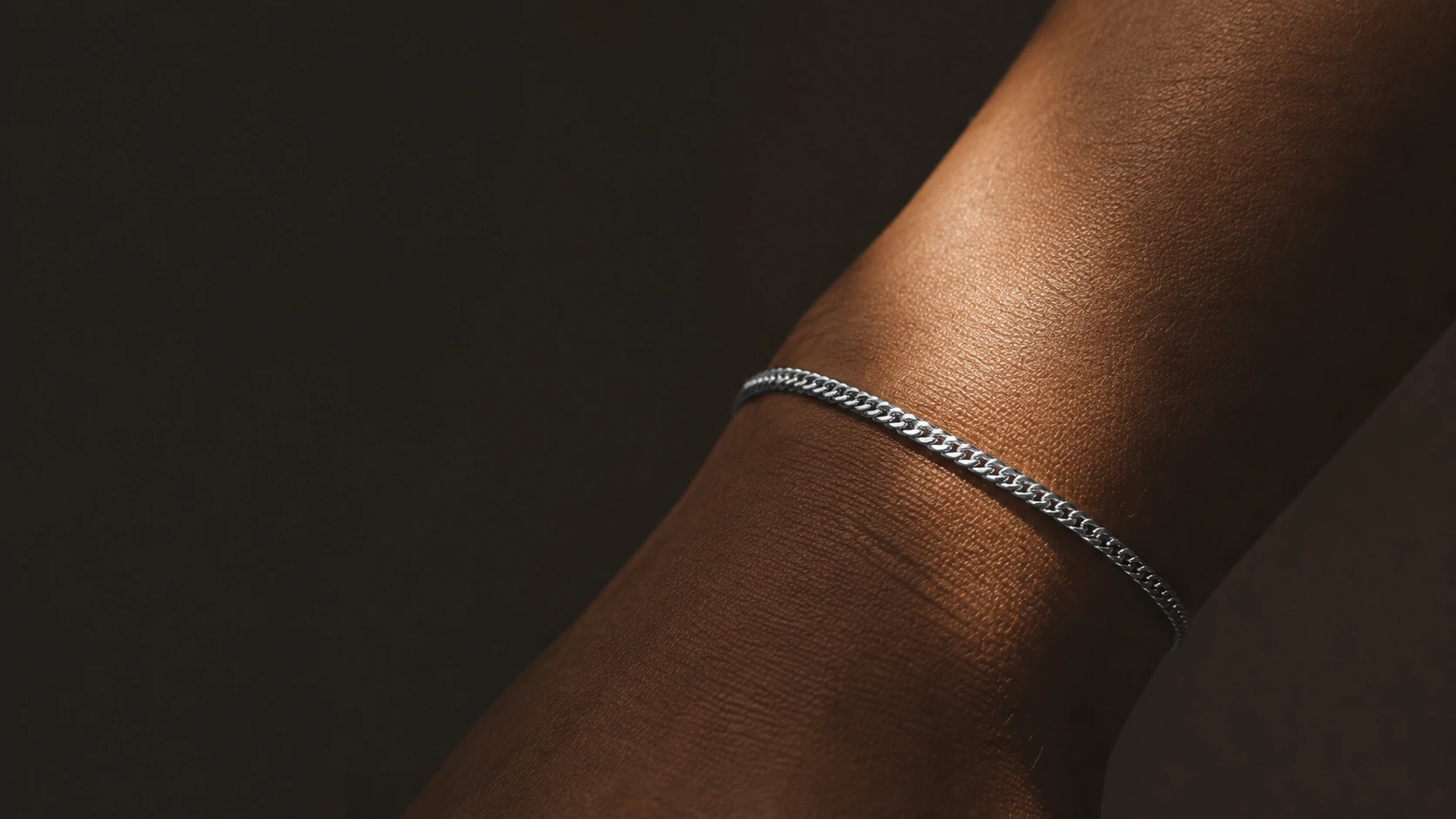
If your skin is sensitive, general promises of tolerance rarely help. What matters is what the material actually contains, how the finished product was tested, and how your own skin reacts.
Why does 316L contain nickel?
Nickel is part of the alloy and supports certain material properties. In 316L it is firmly bound into the metal structure. More on the composition is in 316L stainless steel in jewellery.
That does not automatically mean every product is suitable for every person with a nickel allergy.
What does the European Union regulate?
For bracelets, rings, chains and other items with direct and prolonged skin contact, a limit applies to the release of nickel.
A bare "316L" label does not replace a specific test report or supplier declaration for the finished product. A serious product description should therefore not claim, without evidence, that a piece is completely nickel-free, guaranteed hypoallergenic, suitable for every allergy sufferer, or medically harmless.
What tolerance claims actually tell you
The jewellery trade uses terms that imply general tolerance. For customers they are easily misread, because they do not mean a reaction is impossible.
Sensitivity depends on the person, the surface, how long the piece is worn, sweat, friction and the condition of the item. A marketing term says less than a concrete material specification.
What to watch out for with sensitive skin
- Wear a new bracelet for a limited period at first.
- Keep both skin and jewellery clean and dry.
- Remove residue from cream, sweat and soap.
- Take the bracelet off at the first sign of irritation.
- Do not wear it on skin that is already irritated or broken.
- Have known metal allergies assessed medically.
How to remove residue gently is covered in cleaning a stainless steel bracelet.
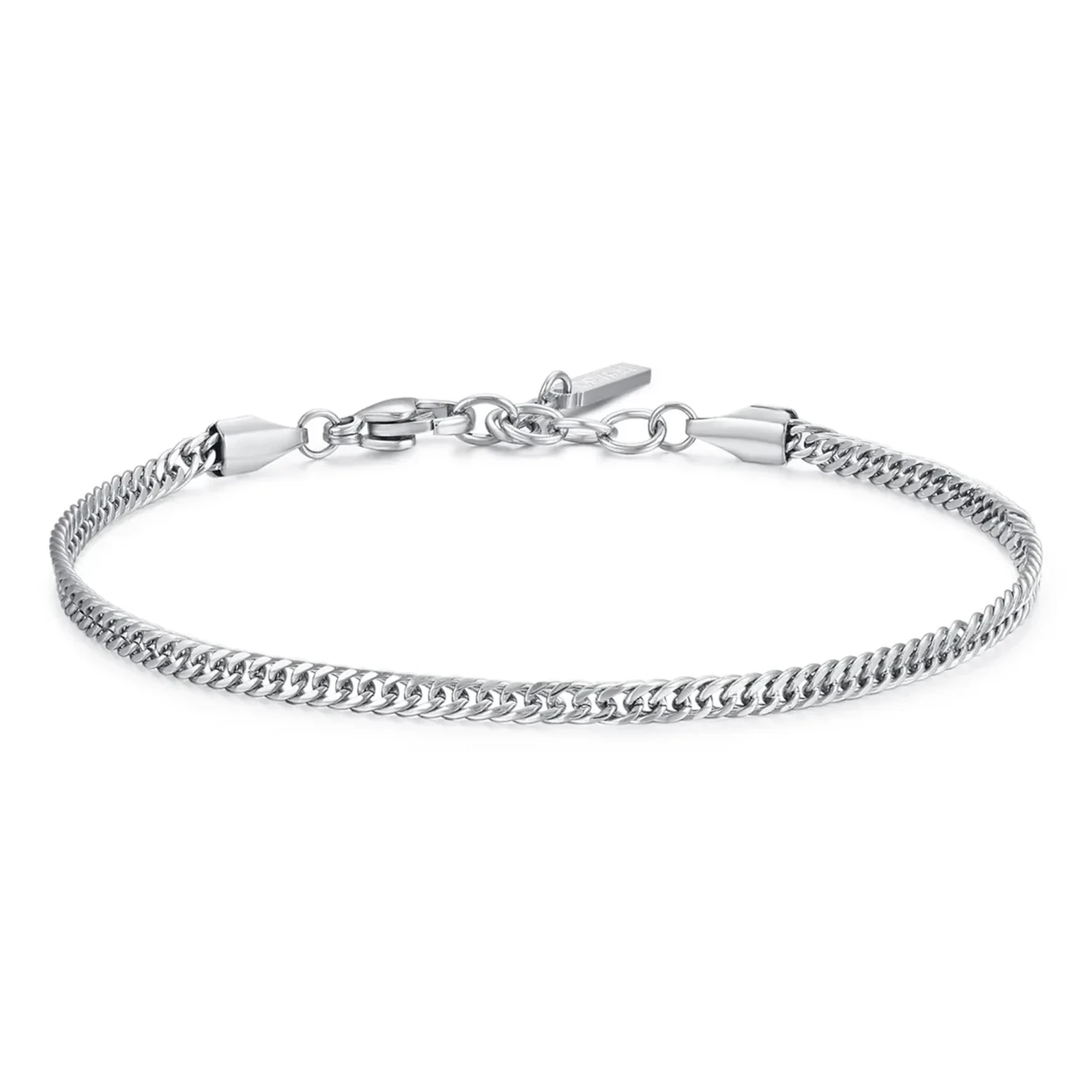
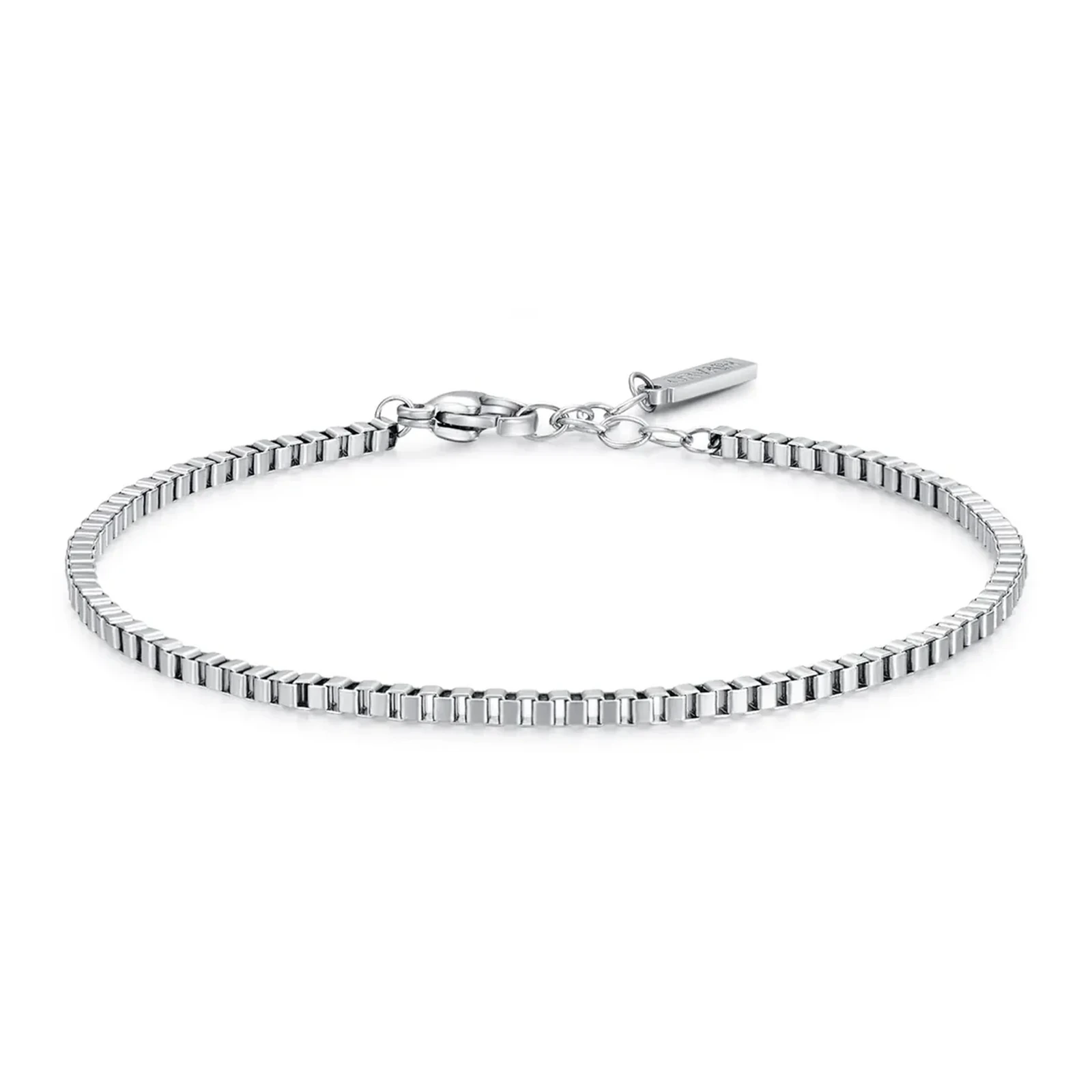
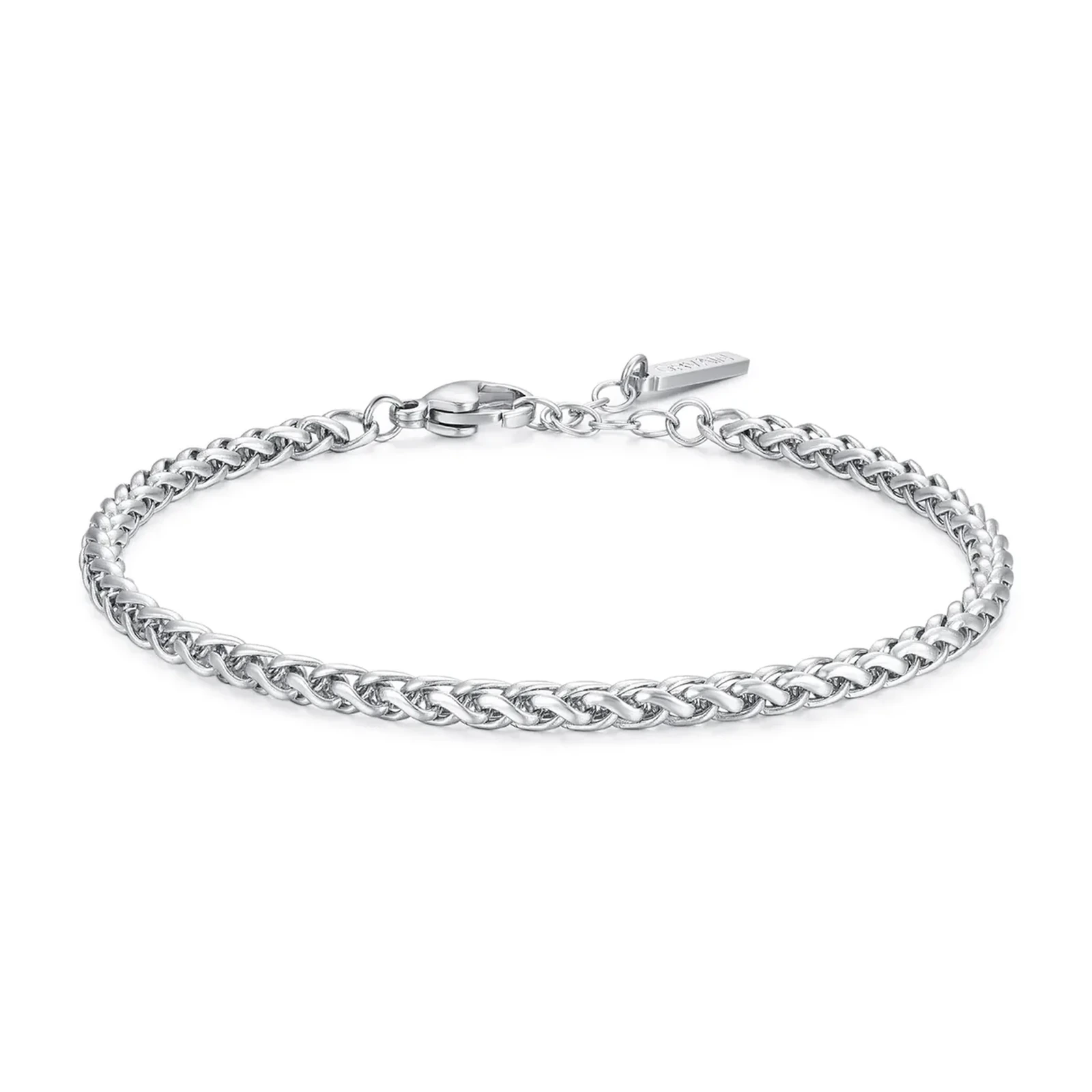
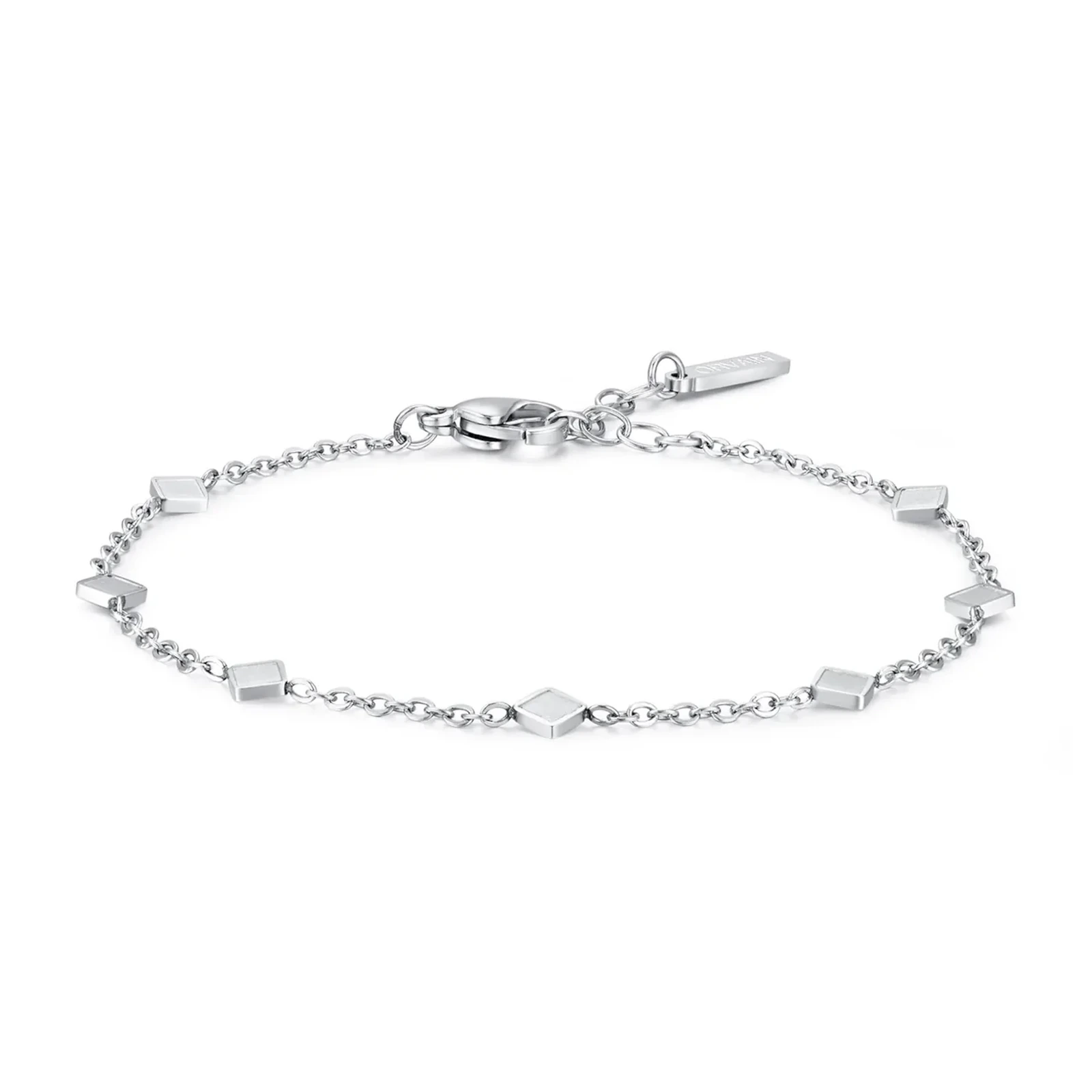
Bracelets in 316L stainless steel
What to do about redness or itching
Take the bracelet off and clean the affected skin. Do not keep wearing it while symptoms persist.
For stronger or recurring reactions, seek medical advice. An online article cannot replace allergy diagnostics.
Does a coating make a difference?
Yes. On a coated bracelet, your skin first touches the surface layer.
As it wears, the contact surface changes. That is another reason the quality of the complete product matters more than the name of the base material alone.
Conclusion
316L is a material many people wear comfortably every day. But it is not nickel-free, and no brand should guarantee individual tolerance.
Transparent material specifications and solid supplier documentation are more reliable than absolute advertising promises.
Sources
Technical material data show that 316L contains nickel (Outokumpu). For bracelets with prolonged skin contact, the EU sets a limit of 0.5 µg of nickel per cm² per week (EUR-Lex).
Common questions
Is 316L nickel-free?
No. 316L contains nickel.
Is 316L automatically suitable for people with a nickel allergy?
Not automatically. What matters is nickel release, product quality and individual sensitivity.
What do I do if my skin reacts?
Take the jewellery off, and seek medical advice if symptoms persist.