

Material & care · 3 min
Is 316L stainless steel jewellery waterproof?
Can you wear a 316L stainless steel bracelet in the shower, the sea or at the gym? What matters is the material – and any coating on top of it.
ORVAIN Editorial ·
Contents
A bracelet meets water, sweat, cream and the occasional spray of perfume simply by being worn. That makes water resistance one of the more important questions before buying.
The honest answer: the 316L base material is corrosion-resistant. Whether a finished piece counts as waterproof also depends on its coating, clasp, any stones and how it is assembled.
Can I shower with it?
On a bracelet made entirely of uncoated 316L, occasional contact with shower water is usually less of a problem than it would be on more delicate materials.
Shampoo, soap, limescale and skincare products can still leave residue, and over time those deposits make the surface look duller.
To keep it looking clean for as long as possible, take the bracelet off before showering – or rinse and dry it afterwards.
What happens in the sea?
Sea water contains salt and chlorides. 316L is corrosion-resistant, but it is not fully immune to chloride-rich environments under every conceivable condition.
After swimming in the sea:
- rinse the bracelet with clean fresh water,
- clean the clasp and the gaps between links,
- dry it with a soft cloth,
- store it only once it is completely dry.
Can I wear it in a pool?
Chlorinated water and other pool chemicals put strain on surfaces and coatings.
If you want to preserve the look of your bracelet, take it off before swimming. If you did wear it, rinse it thoroughly with clean water afterwards.
What about sport and sweat?
Sweat is not just water. Salts, skin oils and skincare products collect around the clasp and between the links.
After intense exercise, clean the bracelet with a slightly damp, soft cloth and dry it. Step by step, that is covered in how to clean a stainless steel bracelet.
Are gold-tone steel bracelets equally resistant?
That cannot be answered from the base material alone.
On a gold-tone bracelet you are not looking at the 316L directly but at an additional surface layer. How well it holds up depends on the coating process, the thickness of the layer and how the piece is used.
A brand should therefore only promise "waterproof" if the specific finished product has been tested or explicitly released for it by the manufacturer.
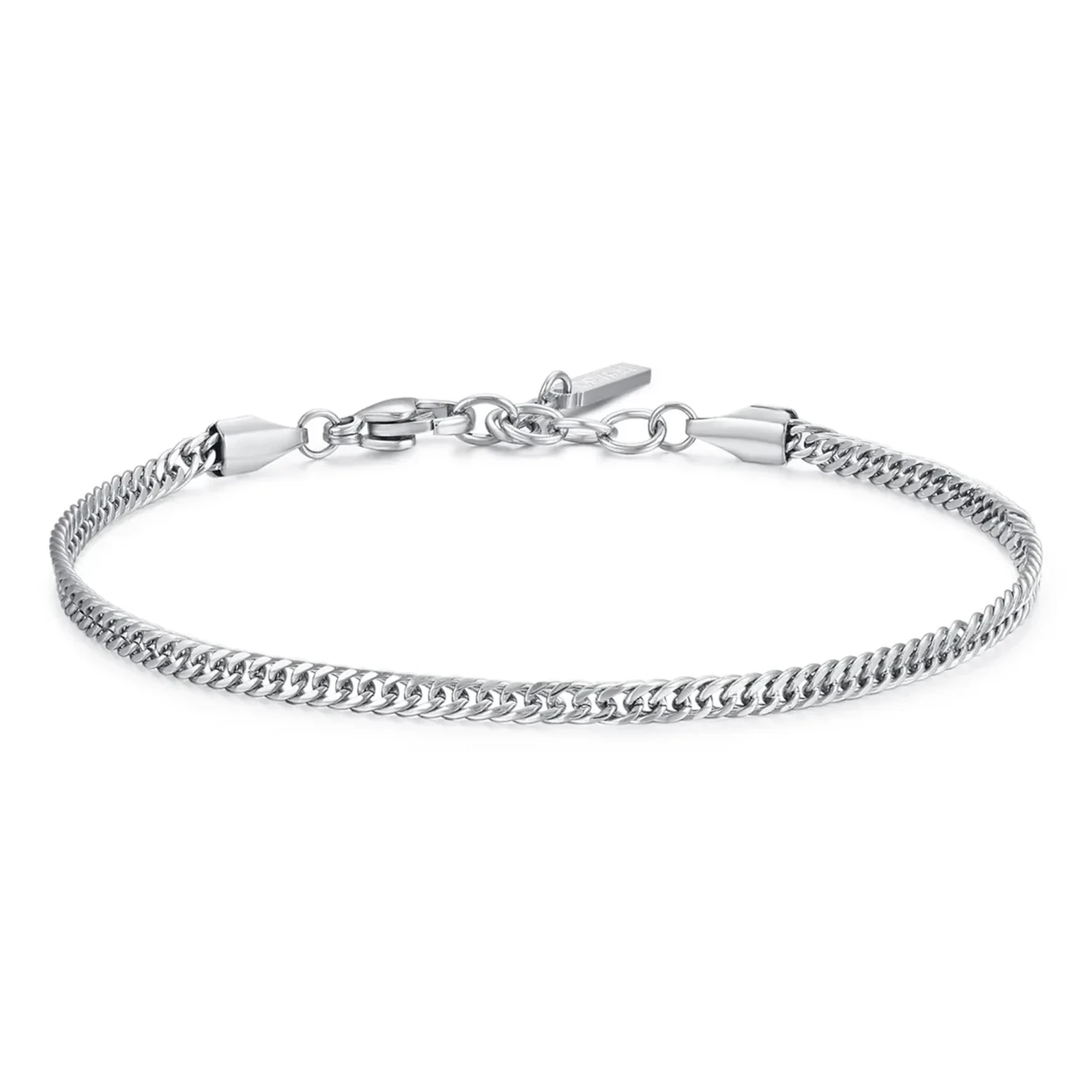
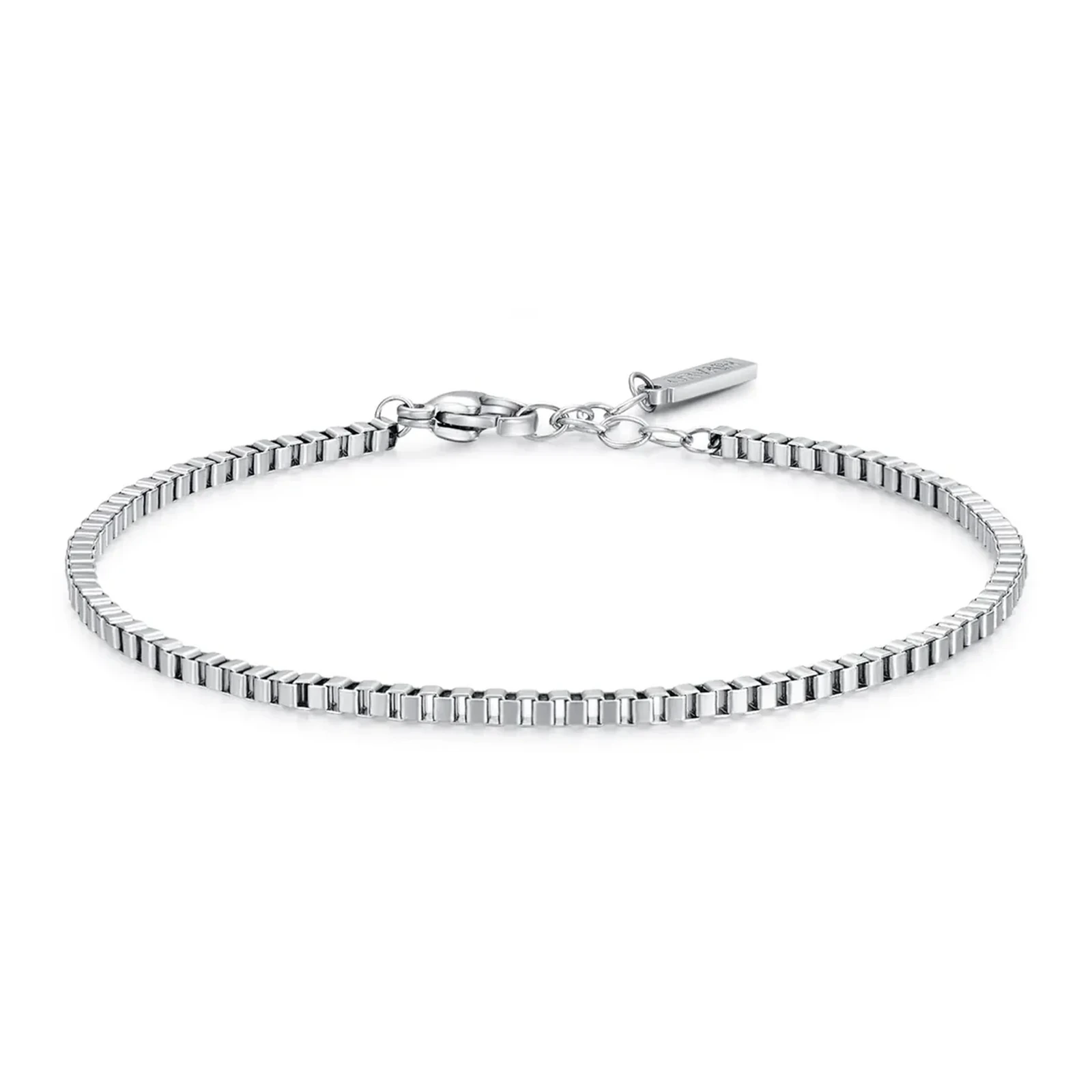
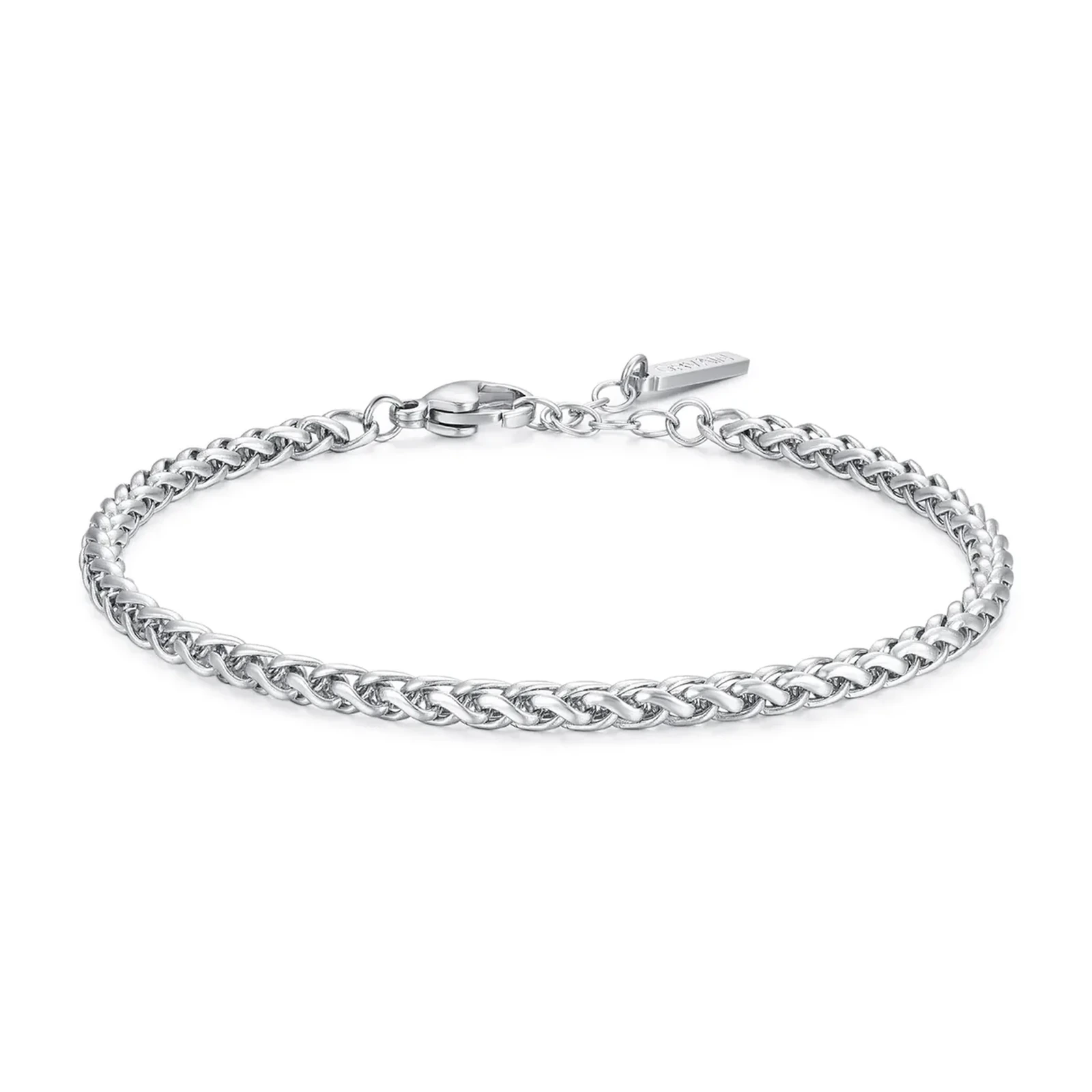
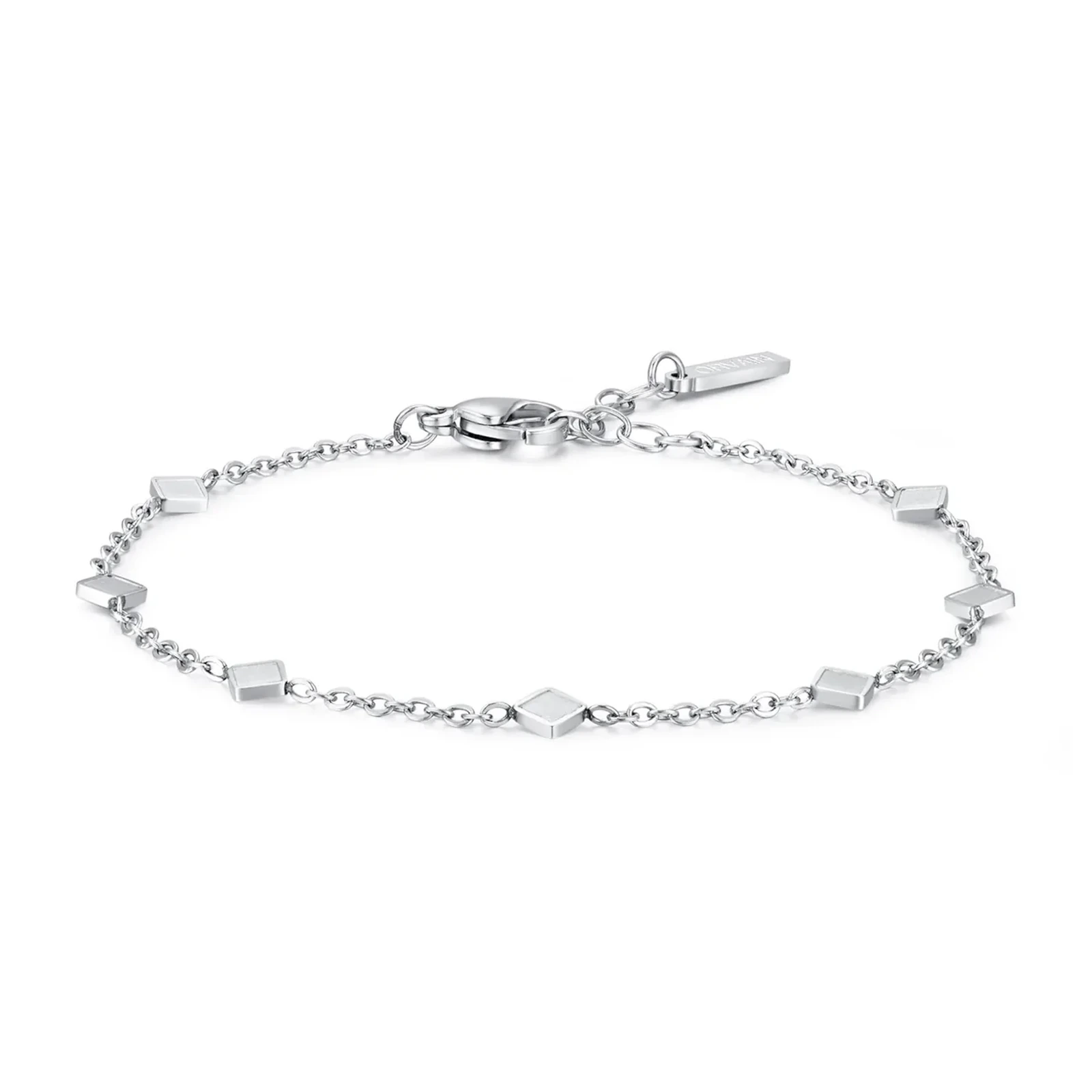
Bracelets in 316L stainless steel
Perfume, cream and cleaning products
Apply perfume and cream before you put the bracelet on, and wait until they have absorbed or dried.
Aggressive household cleaners, disinfectants and scouring agents should not come into contact with the piece at all.
Conclusion
316L is an excellent basis for a bracelet meant to be worn every day. Ordinary contact with water does not mean immediate damage.
For the long-term look the rule still holds: limit chlorine, salt, cosmetics and cleaning agents, rinse after contact and dry the piece completely. What else defines the material is covered in 316L stainless steel in jewellery.
Sources
316L has high corrosion resistance. The manufacturer also notes that even molybdenum-bearing stainless steel does not remain corrosion-free under all conditions, and that chlorides represent a relevant load (Outokumpu).
Common questions
Can 316L get wet?
The base material is corrosion-resistant and normally handles ordinary contact with water well.
Does waterproof mean I never have to take it off?
No. Even water-resistant materials and coatings benefit from care and from being kept away from aggressive chemicals.
What do I do after the sea?
Rinse with clean water and dry thoroughly.